

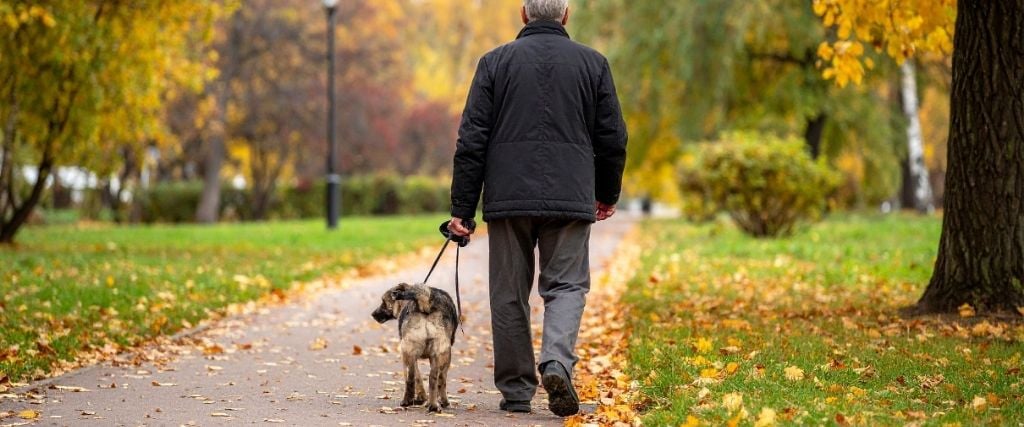
As the weather starts to cool, you may notice your dog or cat moving a little differently. Maybe your dog takes longer to stand after a nap, or your cat is less interested in jumping onto their usual perch. For pets with arthritis, these changes can become more noticeable when temperatures drop, especially when cold or damp conditions make already-stiff joints harder to move comfortably.
Cold weather doesn't cause arthritis, and a chilly day doesn't automatically mean your pet's joints will hurt. But many pets with osteoarthritis seem more uncomfortable or less mobile during colder weather, which makes seasonal changes worth paying attention to. Recognizing these patterns can help you adjust your pet's routine and talk with your veterinarian when their mobility or comfort changes from season to season.
Can Cold Weather Make Arthritis Worse in Dogs and Cats?
Yes, some dogs and cats with arthritis may experience more stiffness or discomfort when the weather becomes colder. The exact relationship between temperature and arthritis symptoms isn't completely understood, and not every pet responds to weather changes in the same way. Still, veterinary guidance commonly recommends keeping arthritic pets warm and dry because cold, damp conditions can worsen stiffness and discomfort.
Osteoarthritis is a chronic condition involving progressive changes within the joints. As cartilage deteriorates and inflammation develops, affected joints can become painful and less flexible. For some pets, providing warmth during cold, damp weather and giving pets comfortable bedding may improve comfort in animals with osteoarthritis.
Weather isn't the only factor involved. A sudden change in activity, slippery outdoor surfaces, less exercise, or spending more time lying down can also affect how an arthritic pet moves. Looking at the whole routine can make it easier to understand why your pet seems different as the seasons change.
Why Does My Pet Seem Stiffer in Colder Weather?
There isn't one proven explanation for every pet's weather-related discomfort. Cold temperatures may contribute to stiffness, while damp conditions and changes in activity can add to the problem. Pets may also naturally move less when it's cold outside, which can make them seem stiffer when they first get up after resting.
For an arthritic dog or cat, a long period of inactivity can make getting moving more difficult. You may notice that your pet takes several steps to loosen up after lying down, then moves more normally once they've been walking for a little while. Other pets may remain reluctant to move because the initial discomfort makes activity less appealing.
Slippery surfaces can create another challenge. A dog with arthritis may already have difficulty maintaining balance or placing weight evenly on painful joints, and ice, snow, or slick flooring can make that harder.
Signs of Arthritis in Dogs and Cats
Arthritis doesn't always look like an obvious limp. Some pets gradually become less active or stop doing things they used to enjoy. Cats in particular may hide subtle signs of pain, so changes in everyday habits can be more informative than waiting for a pronounced change in their gait.
Pay attention to patterns in your pet's movement and behavior, particularly when temperatures drop. Signs may include:
- Stiffness after resting: Your pet may take longer than usual to get up or move normally after sleeping.
- Reluctance to use stairs: A dog may hesitate before going up or down steps, while a cat may stop using favorite elevated areas.
- Difficulty jumping: Cats may jump onto lower surfaces or stop jumping altogether, while dogs may hesitate before getting into a car or onto furniture.
- Less interest in exercise or play: Your pet may tire sooner or choose to rest rather than participate in activities they previously enjoyed.
- Changes in gait: You may notice a shorter stride, stiffness, limping, or an unusual way of sitting or standing.
- Behavior changes: A pet experiencing chronic pain may become less social, more irritable, or less interested in being handled.
- Muscle loss: Long-term changes in activity can contribute to decreased muscle mass around affected joints.
Arthritis can occur in younger pets as well as seniors, particularly when there are underlying orthopedic conditions or a history of joint injury. A new mobility change shouldn't automatically be attributed to getting older or to the weather.

How Can You Help an Arthritic Pet When the Weather Gets Cold?
Small changes around the house can make movement easier for a pet with arthritis. Give your dog or cat a warm, dry place to rest, preferably somewhere that doesn't require climbing stairs or jumping onto furniture. Soft, supportive bedding can also provide a more comfortable place for sore joints to rest.
Keeping your pet warm doesn't mean wrapping them in excessive layers or forcing them to wear clothing they dislike. For dogs that tolerate sweaters or coats, an appropriately fitted garment may provide additional warmth during outdoor trips. Cats generally benefit more from a warm indoor environment and comfortable sleeping areas, particularly if they have mobility limitations.
Improve Traction Around the Home
Hardwood, tile, and other slippery flooring can be difficult for arthritic pets to navigate. Place nonslip rugs or runners over areas where your pet regularly walks, particularly near food and water bowls, resting areas, and doorways. Keeping nails appropriately trimmed can also help dogs maintain traction.
For cats, think about the places they use every day. A cat who normally jumps from the floor to a high windowsill may have an easier time with a stable intermediate step or another accessible resting spot. Small adjustments can help them continue using familiar parts of the home without putting as much strain on painful joints.
Should You Reduce Exercise in Cold Weather?
Arthritic pets still benefit from regular, appropriate movement. Completely stopping activity can contribute to stiffness and loss of muscle strength, both of which can make mobility more difficult. The goal is usually to choose activity that your pet can tolerate comfortably rather than pushing them through pain or allowing long periods of complete inactivity.
For dogs, shorter walks may be more manageable during very cold weather than one long outing. Choose paths with good traction and avoid activities that involve sudden jumping, sharp turns, or intense bursts of running. On days when outdoor exercise isn't practical, ask your veterinarian about indoor activities that are appropriate for your dog's joints and mobility.
Cats may benefit from short periods of gentle movement and play throughout the day. Keep toys close to the ground rather than encouraging repeated high jumps, and let your cat control the pace. If your pet becomes more reluctant to move or seems uncomfortable during an activity, stop and reassess rather than assuming they're simply being lazy.
What About Dogs and Cats With Severe Arthritis?
If your pet already has significant osteoarthritis, colder weather may make existing mobility challenges more obvious. A dog who usually manages stairs may suddenly hesitate, or a cat who still jumps onto the couch may begin staying on the floor. These changes are worth sharing with your veterinarian because they may indicate that the current arthritis management plan needs to be reassessed.
Arthritis treatment is generally individualized and may involve several approaches. Weight management, appropriate exercise, environmental changes, rehabilitation, and veterinarian-prescribed pain control can all play a role depending on the pet.
Don't increase, decrease, or restart a pain medication based solely on the weather. Arthritis medications need to be chosen and dosed according to the individual pet's health, other medications, and underlying conditions. Contact your veterinarian when you notice a meaningful change in mobility or comfort rather than trying to manage worsening pain on your own.
When Is New Stiffness More Than an Arthritis Flare?
A pet with known arthritis may have occasional changes in mobility, but a sudden or significant decline shouldn't automatically be blamed on colder weather. A new limp, refusal to bear weight, swollen joint, or obvious pain can have another cause, including an injury or a different orthopedic problem.
Contact your veterinarian when your pet suddenly stops using a limb, can't get up normally, cries out when moving, becomes significantly less active, or shows a clear change in behavior. Cats that stop jumping, stop grooming normally, spend more time hiding, or have difficulty reaching the litter box also deserve attention because these can be signs of pain.
Seek prompt veterinary care if your pet is unable to stand or walk, appears severely painful, has significant swelling, or experiences a sudden and severe change in mobility. These signs shouldn't be attributed to the weather without an examination.
How Can You Tell if Your Pet's Arthritis Is Getting Worse?
One of the most useful things you can do is watch for changes over time. Keep track of how easily your pet gets up, whether they use stairs, how far they comfortably walk, whether they still jump or play, and how they behave after resting. A pattern can help your veterinarian determine whether arthritis is becoming more limiting or whether another problem may be developing.
Videos can also be helpful. Recording your dog walking on a typical day or your cat getting onto a favorite piece of furniture may give your veterinarian information that isn't always apparent during a short clinic visit. Try to capture your pet moving naturally rather than repeatedly encouraging them to perform an activity that seems difficult.
Keeping Arthritic Pets Comfortable as Temperatures Drop
Cold weather may make arthritis symptoms more noticeable in some dogs and cats, but it doesn't have to mean giving up activity or accepting ongoing discomfort. A warm resting area, good traction, appropriate low-impact movement, and regular monitoring can all make daily life easier for a pet with joint disease.
Most importantly, pay attention to what's normal for your individual pet. If your dog or cat consistently seems stiffer, less active, or more uncomfortable as the weather changes, bring that pattern to your veterinarian. Adjusting arthritis management can help your pet stay mobile and comfortable through changing seasons rather than simply waiting for the weather to warm up.
If you have questions and you'd like to reach out to us, you can call us directly at (702) 361-5850, or you can email us at [email protected]. Don't forget to follow us on social media Facebook, Instagram.